
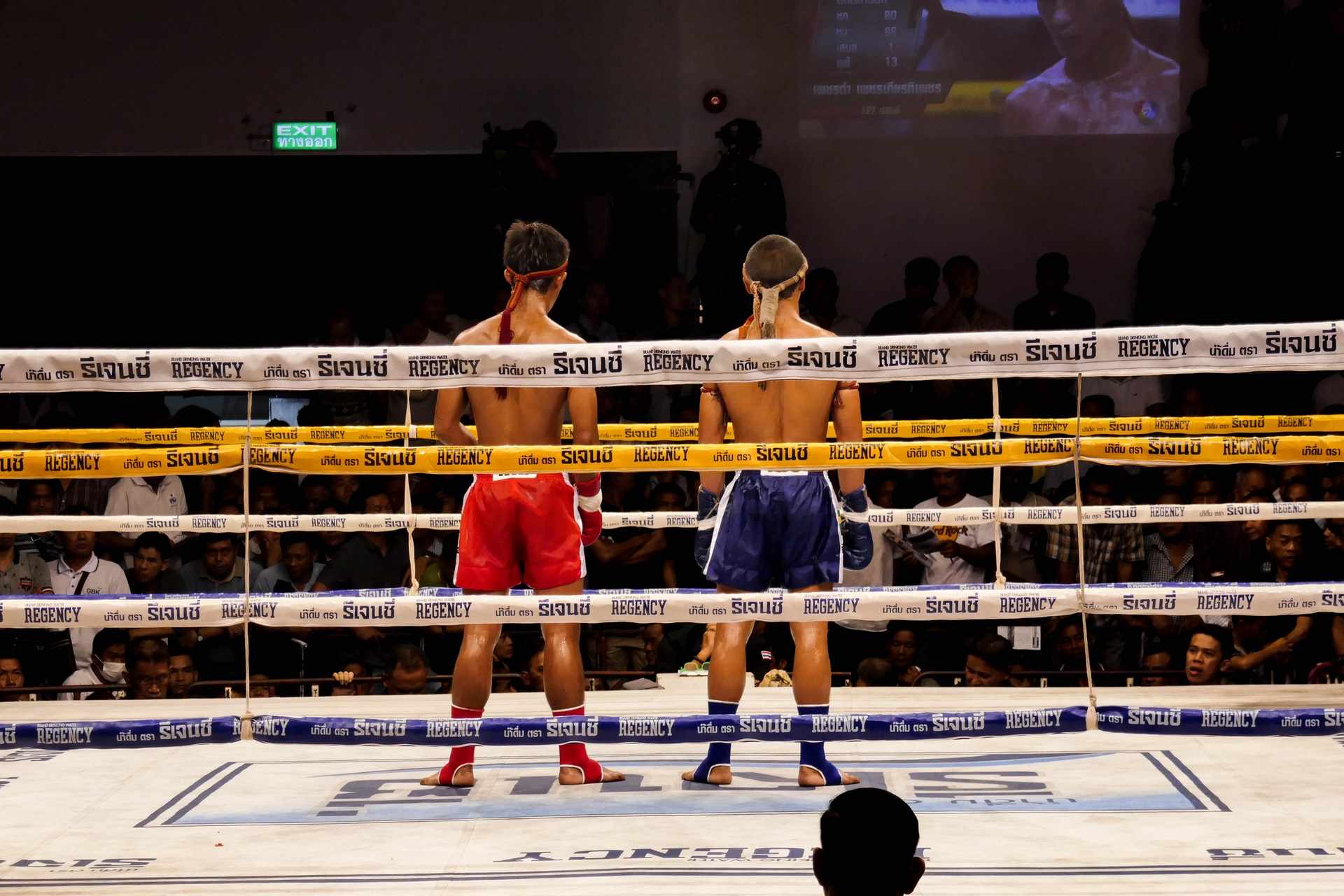

The Art of the 8 Limbs: Understanding the Strikes of Muay Thai
Muay Thai, often referred to as "The Art of the 8 Limbs," is a martial art that emphasizes the use of eight different points of contact on the body: two fists, two elbows, two knees, and two shins. This unique approach to combat makes Muay Thai one of the most versatile and effective striking arts in the world. At Warrior Warehouse, located in Hilton, KwaZulu-Natal, we offer comprehensive training in all aspects of Muay Thai, helping you master the art of the 8 limbs.
In this article, we’ll explore each of these strikes in detail, discussing their techniques, applications, and the benefits they offer to practitioners. Whether you’re a beginner looking to learn the basics or an experienced fighter seeking to refine your skills, understanding the intricacies of these strikes is essential to becoming proficient in Muay Thai.
1. Punches (Chok)
Punching is one of the fundamental aspects of Muay Thai, and although it may seem similar to Western boxing, there are key differences that make Muay Thai punches unique.
Types of Punches in Muay Thai
- Jab (Mat Nueng): The jab is a quick, straight punch delivered with the lead hand. It’s used to gauge distance, set up combinations, and keep opponents at bay.
- Cross (Mat Trong): The cross is a powerful straight punch thrown with the rear hand. It generates significant power by rotating the hips and shoulders, making it a key weapon in a Muay Thai fighter's arsenal.
- Hook (Mat Wiang San): The hook is a punch delivered in a circular motion with the lead or rear hand, targeting the side of the opponent’s head or body. It’s particularly effective in close-range combat.
- Uppercut (Mat Soi Dao): The uppercut is a punch delivered upward with the rear or lead hand, targeting the opponent’s chin or solar plexus. It’s especially useful in close-range exchanges.
Applications of Punches
Punches in Muay Thai are used to create openings, disrupt the opponent's rhythm, and set up more powerful strikes such as kicks or elbows. The versatility of punches allows fighters to attack from various angles and distances, making them a crucial component of the 8 limbs.
Benefits of Training Punches
- Improved Hand-Eye Coordination: Regular practice of punches enhances hand-eye coordination, enabling faster and more accurate strikes.
- Upper Body Strength: Punching drills and combinations help build upper body strength, particularly in the shoulders, arms, and chest.
- Speed and Agility: The fast-paced nature of punch combinations improves overall speed and agility, essential for both offense and defense in Muay Thai.
2. Elbows (Sok)
Elbows are one of the most feared weapons in Muay Thai due to their devastating impact. Known for their ability to cut and knock out opponents, elbows are a staple of close-range combat.
Types of Elbow Strikes in Muay Thai
- Horizontal Elbow (Sok Tat): Delivered in a horizontal motion across the opponent's face or body, this elbow strike is effective for cutting and creating openings.
- Diagonal Elbow (Sok Chieng): This strike is delivered diagonally, either upward or downward, targeting the opponent's head. It’s particularly useful for breaking through an opponent's guard.
- Uppercut Elbow (Sok Ngad): Similar to the uppercut punch, this elbow strike is delivered in an upward motion, targeting the opponent's chin or jaw.
- Spinning Elbow (Sok Klap): The spinning elbow is a powerful strike delivered by spinning 180 degrees and striking with the elbow. It’s a high-risk, high-reward technique that can result in a knockout if landed correctly.
Applications of Elbows
Elbows are most effective in close-range situations where punches may not be as practical. They are often used in clinch situations to break the opponent's guard or deliver a decisive strike. The sharp nature of the elbow makes it an excellent tool for causing cuts, which can lead to a stoppage in a fight.
Benefits of Training Elbows
- Enhanced Close-Range Combat Skills: Elbow training improves your ability to fight effectively in close quarters, a critical aspect of Muay Thai.
- Increased Precision: The small striking surface of the elbow requires precision and accuracy, which are developed through consistent practice.
- Core and Shoulder Strength: Elbow strikes rely heavily on the rotation of the core and shoulders, contributing to overall strength in these areas.
3. Knees (Tae)
Knees are another powerful weapon in Muay Thai, capable of delivering significant damage to the opponent’s body or head. They are often used in both offensive and defensive situations, particularly in the clinch.
Types of Knee Strikes in Muay Thai
- Straight Knee (Tae Trong): This is the most common knee strike, delivered in a straight line to the opponent's midsection. It’s highly effective for targeting the solar plexus or ribs.
- Diagonal Knee (Tae Chieng): This knee strike is delivered diagonally, targeting the opponent’s body or head. It’s particularly useful in the clinch to disrupt the opponent’s balance.
- Horizontal Knee (Tae Tat): Delivered in a horizontal motion, this knee strike targets the side of the opponent’s body or head. It’s often used in the clinch or when the opponent is leaning to the side.
- Flying Knee (Tae Glap): The flying knee is a high-impact strike delivered by jumping and driving the knee into the opponent’s head or body. It’s a signature move in Muay Thai that can lead to a knockout if executed properly.
Applications of Knees
Knee strikes are often used to wear down an opponent’s body, particularly in the clinch. The knee’s ability to target the midsection can sap an opponent’s energy and reduce their ability to continue fighting effectively. In addition, the flying knee is a powerful tool for finishing a fight quickly.
Benefits of Training Knees
- Core and Hip Flexibility: Knee strikes require flexibility and strength in the hips and core, which are developed through consistent training.
- Endurance and Stamina: The repetitive nature of knee strikes builds endurance and stamina, essential for maintaining high levels of performance in a fight.
- Lower Body Strength: Knee training enhances the strength of the legs, particularly the quadriceps and hamstrings, improving overall power and explosiveness.
4. Kicks (Teep and Tae)
Kicks are arguably the most iconic aspect of Muay Thai, known for their power and versatility. The ability to deliver a powerful kick can be a game-changer in any fight, making it a critical skill for any Muay Thai practitioner.
Types of Kicks in Muay Thai
- Teep (Push Kick): The teep, or push kick, is a defensive and offensive tool used to maintain distance, disrupt an opponent's rhythm, or push them away. It’s delivered with the ball of the foot to the opponent’s midsection or thigh.
- Roundhouse Kick (Tae Tud): The roundhouse kick is one of the most powerful strikes in Muay Thai, delivered with the shin to the opponent’s body or head. It’s a versatile strike that can be used to attack different levels of the opponent.
- Low Kick (Tae Low): The low kick targets the opponent’s thighs or calves, aiming to weaken their legs and reduce their mobility. It’s particularly effective for breaking down an opponent over time.
- High Kick (Tae Khao): The high kick targets the opponent’s head, often leading to a knockout if it lands cleanly. It’s a risky move due to the exposure it creates, but it’s highly rewarding when executed correctly.
- Spinning Back Kick (Tae Klap Lang): This advanced kick involves a 180-degree spin followed by a powerful back kick aimed at the opponent’s midsection or head. It’s a high-risk, high-reward technique that can catch an opponent off guard.
Applications of Kicks
Kicks are used to control distance, create openings, and deliver powerful strikes that can incapacitate an opponent. The roundhouse kick, in particular, is a staple of Muay Thai and is often used to target the opponent’s ribs, legs, or head. Low kicks are effective for wearing down an opponent’s legs, reducing their ability to move and defend effectively.
Benefits of Training Kicks
- Lower Body Strength and Power: Kicking drills develop the muscles of the legs, particularly the quadriceps, hamstrings, and calves, leading to increased power and explosiveness.
- Flexibility and Range of Motion: Regular practice of kicks enhances flexibility in the hips and legs, improving overall mobility and range of motion.
- Balance and Coordination: Kicking requires balance and coordination, which are developed through consistent training. This balance is crucial for both offense and defense in Muay Thai.
5. Clinch Work (Chap Kho)
While not a traditional "strike," the clinch is a vital aspect of Muay Thai that involves controlling an opponent’s body to deliver knee strikes, elbows, and sweeps. Mastering the clinch is essential for dominating in close-range combat.
Techniques of Clinch Work
- Double Collar Tie (Plum): This involves controlling the opponent’s head with both hands, allowing for the delivery of knees and elbows while controlling their movement.
- Body Lock: This technique involves wrapping your arms around the opponent’s torso, allowing for control and the delivery of knee strikes to the body or thighs.
- Sweeps and Throws: The clinch also provides opportunities to off-balance and sweep an opponent, taking them to the ground and gaining a dominant position.
Applications of the Clinch
The clinch is used to control an opponent’s movement, set up knee strikes, and limit their ability to strike back. It’s particularly effective for neutralizing aggressive opponents and wearing them down with continuous knee strikes.
Benefits of Training the Clinch
- Grip Strength and Endurance: Clinch work develops grip strength and endurance, crucial for maintaining control in close-range combat.
- Core Stability: The rotational and stabilizing movements involved in the clinch strengthen the core, improving overall stability and balance.
- Tactical Awareness: Training the clinch enhances tactical awareness, teaching you how to read an opponent’s movements and react effectively.

Why Train Muay Thai at Warrior Warehouse?
At Warrior Warehouse, we are committed to providing top-notch Muay Thai training that covers all aspects of the art of the 8 limbs. Our experienced instructors are dedicated to helping you master each of these strikes, whether you’re a beginner or an advanced practitioner.
Here’s why Warrior Warehouse is the best choice for your Muay Thai training:
- Comprehensive Training: We cover all aspects of Muay Thai, from basic punches and kicks to advanced clinch work and combinations.
- Experienced Instructors: Our trainers are experienced fighters with years of practice in Muay Thai. They provide personalized coaching to ensure you progress at your own pace.
- State-of-the-Art Facility: Our gym is equipped with everything you need to train effectively, including pads, bags, and a spacious training area.
- Supportive Community: At Warrior Warehouse, you’ll be joining a community of like-minded individuals who share your passion for Muay Thai. We foster a supportive and inclusive environment where everyone can thrive.
Conclusion
Muay Thai is a powerful and versatile martial art that offers a wide range of benefits, from physical fitness and self-defense to mental discipline and cultural appreciation. By mastering the art of the 8 limbs, you’ll develop a well-rounded skill set that will serve you both in and out of the ring.
If you’re ready to take your Muay Thai training to the next level, there’s no better place to start than Warrior Warehouse in Hilton, KwaZulu-Natal. Join us today and discover the transformative power of Muay Thai.
Contact us at: Unit 12, 6 Quarry Rd, Hilton, KwaZulu-Natal
Call/WhatsApp: 072 481 8380
Website: www.thewarriorwarehouse.co.za